
Parent Empowerment and Training: Building Stronger Families, Enabling Inclusive Development
Empowering parents. Strengthening families. Transforming children's futures.
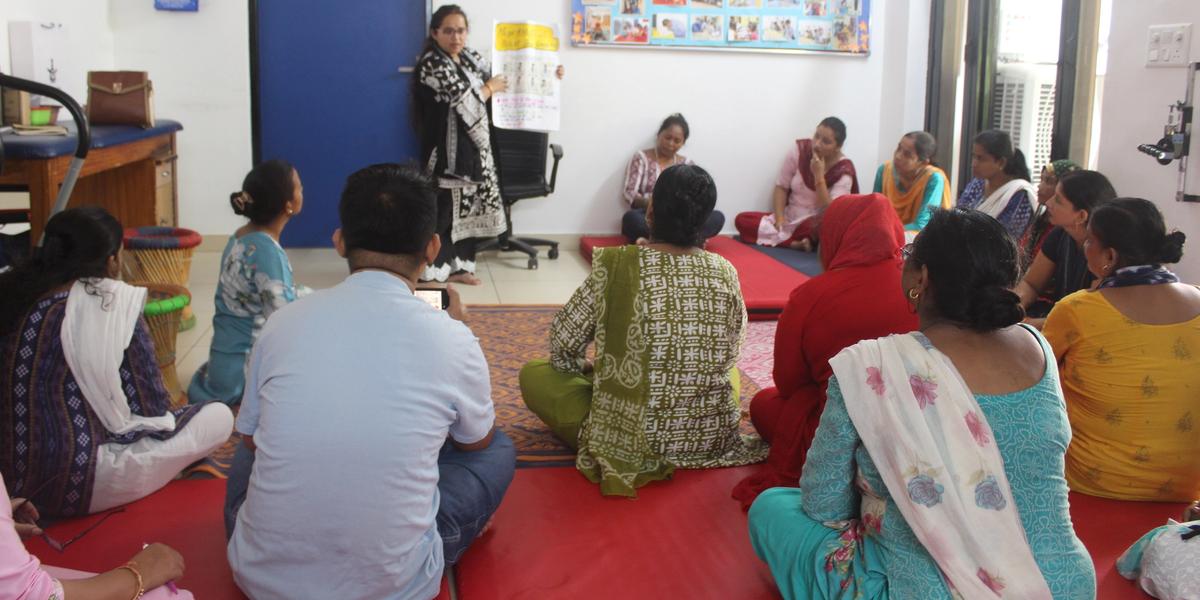
Jan Madhyam believes that empowering a child begins with empowering their family. Through its Parent Empowerment and Training Programme, the organisation works closely with parents and caregivers of children with disabilities, providing practical training, expert guidance, emotional support and livelihood opportunities.
From nutrition, health and hygiene awareness to specialised training on autism, child development, positive parenting and inclusive education, the programme equips parents with the knowledge, skills and confidence to support their children's holistic development. By encouraging active parental participation in classrooms, facilitating peer support networks and creating vocational and employment opportunities, Jan Madhyam is building stronger, more informed and self-reliant families.
Detailed Overview
The programme focuses on five key areas:
1. Parent Training and Capacity Building
Jan Madhyam organises specialist-led and expert-supported training sessions to help parents better understand their children's needs and respond to their developmental, educational and behavioural challenges.
Key interventions include:
Understanding Autism and Developmental Disabilities: Specialist-led sessions help parents understand autism and other developmental conditions, manage behavioural challenges and adopt practical strategies to support their children at home.
- Nutrition and Healthy Eating: Expert-led workshops demonstrate how to prepare nutritious, balanced and affordable meals, helping families improve children's health and nutritional well-being.
- Health, Hygiene and Well-being: Awareness sessions equip parents with practical knowledge about personal hygiene, preventive healthcare and healthy household practices.
- Positive Parenting and Child Development: Guidance and counselling help parents understand their children's individual needs, strengthen communication and adopt supportive approaches to learning and development.
2. Parent Support Groups and Community Engagement
Caring for a child with a disability can often be an isolating experience, particularly for parents who have limited access to emotional support and understanding.
Jan Madhyam facilitates parent get-togethers, group activities and outings that provide families with opportunities to connect, share experiences and build meaningful support networks.
These informal interactions create safe spaces where parents can express their concerns, celebrate achievements, exchange experiences and draw strength from one another. The initiative also recognises the importance of parental mental health and emotional well-being, reinforcing the belief that healthier, happier and more confident parents are better equipped to support their children.
3. Parental Participation in Classroom Learning
Moving beyond conventional parent-teacher interactions, Jan Madhyam is encouraging parents to become active participants in their children's learning journeys.
Parents of children aged 5–12 years are invited to participate directly in classroom activities, where they observe and learn the teaching methodologies, communication techniques and behavioural strategies used by educators at the centre.
This hands-on approach enables parents to understand why their children respond differently in structured learning environments and how similar techniques can be replicated at home.
Initially, many parents found it challenging to understand and adopt these methods. However, with continued engagement and practice, they have begun implementing the same approaches at home and have observed positive changes in their children's cooperation, participation and behaviour.
For children above 12 years, parental involvement is adapted to their individual needs, age groups and specific learning and developmental activities.
This approach bridges the gap between home and school, creating greater consistency in learning, care and developmental support.
4. Vocational Training and Economic Empowerment
Recognising the financial pressures faced by families raising children with disabilities, Jan Madhyam also focuses on strengthening parental livelihoods and economic independence.
Women from participating families receive vocational training in practical skills such as making spices and soaps, enabling them to explore income-generating opportunities, develop entrepreneurial abilities and contribute towards household income.
These initiatives go beyond skill development. They help women build confidence, strengthen their financial independence and create opportunities for a more secure future for their families.
5. Parent Employment and Leadership Opportunities
Jan Madhyam's commitment to parent empowerment extends to creating meaningful employment opportunities within the organisation itself.
Five parents of children with disabilities are currently employed with Jan Madhyam. Their close association with the organisation enables them to gain first-hand experience of its programmes, methodologies and inclusive education practices.
This experience has strengthened their confidence, professional capabilities and understanding of disability inclusion. Having witnessed the impact of the organisation's work themselves, these parents have also emerged as effective advocates and ambassadors within their communities.
Their lived experiences and firsthand understanding make them valuable voices in building trust, encouraging other families to seek support and promoting greater awareness about the rights and potential of children with disabilities.
Creating Stronger Families, Building Inclusive Communities
Jan Madhyam's parent empowerment programme recognises that a child's progress is closely linked to the strength, understanding and support of their family.
By combining specialised training, emotional support, active classroom participation, livelihood development and employment opportunities, the organisation is transforming parents from passive caregivers into informed partners, confident advocates and active contributors to their children's development.
The programme's larger vision is to build an inclusive ecosystem where children with disabilities receive consistent support at home, in school and within their communities, while parents themselves gain the confidence, skills and opportunities to lead more empowered lives.
Because when parents are empowered, children are better supported, families become stronger and entire community